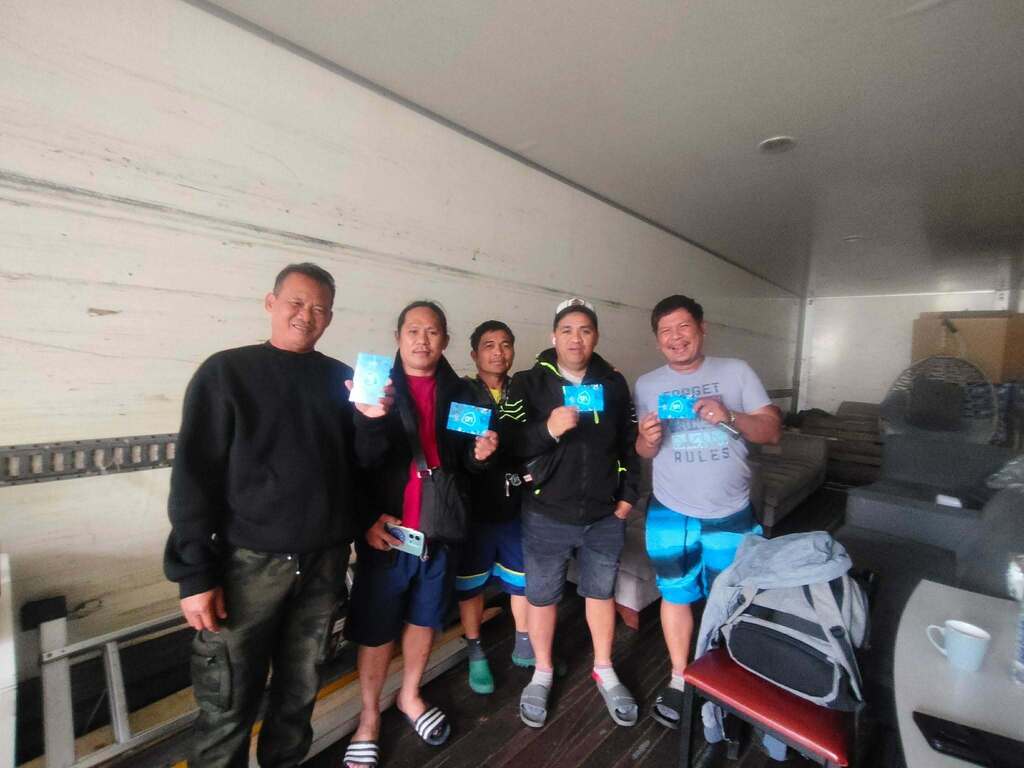
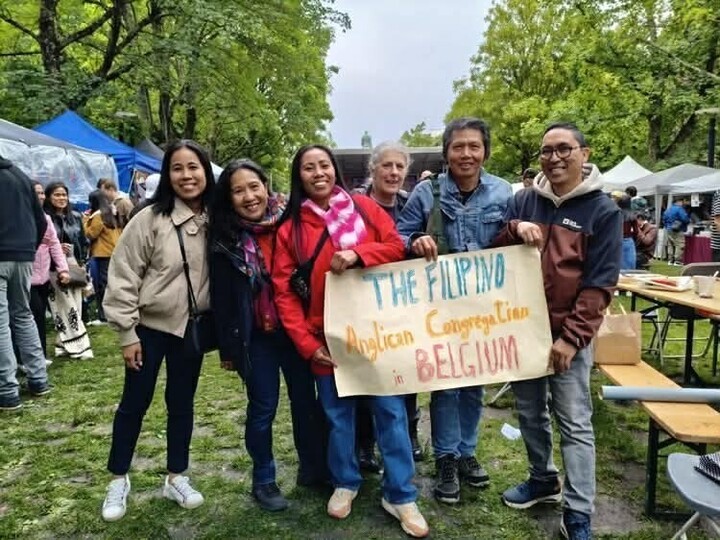
“For us, the success story is that there are always a couple of people we’ve helped who become community leaders,” said Kenji Sario, a volunteer with Food for Thoughts, Soup for Souls, which is a project of the Filipino Ecumenical Diaspora in Europe (FEDE) in Brussels, Belgium.
FEDE was officially founded in 2022 by members of Iglesia Filipina Independiente (IFI) – with help from Bishop Antonio Albon – to support Filipino victims of labor exploitation and human trafficking. It has received two grants from the Convocation Refugee Grant Program (CRGP).
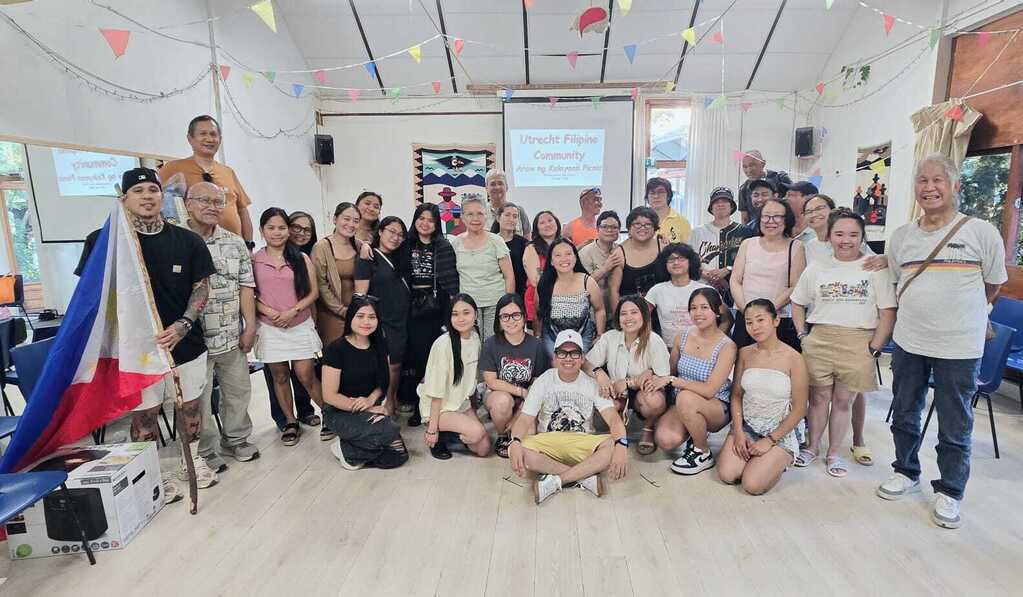
“We actually started earlier – in 2020 – at the height of the pandemic,” said Mark Pascual, project coordinator for FEDE’s Safe Haven in Utrecht, Netherlands. “Members of the IFI realized numerous Filipino migrants, many of them in the informal labor market, had lost their only sources of income. So five people in Utrecht gathered resources to buy groceries, hygiene kits, and we just continued the activities after the pandemic.”
Since 2022, both pastoral communities have been involved in high-profile trafficking and exploitation cases. Sario said theirs began in 2022 when authorities in Antwerp uncovered a human trafficking ring that had brought workers, many of them Filipino, from Eastern Europe (where they had been hired legally) into Belgium illegally; they were undocumented, underpaid, and poorly housed. Because this was such a high-profile case in Belgium, Sario said there was strong pressure on the authorities to do something. “Ironically, this was occurring at the same time Belgium was one of the strongest critics of labor abuses in Qatar during the 2022 World Cup.”
Pascual said their mission to serve migrants in distress began focusing on victims of trafficking last year, with encouragement from Giulia Bonoldi, Convocation’s chief welcoming officer. In 2025, there was a similar case in the Netherlands when multiple Filipinos were recruited from Hungary to work for a major corporation. When they arrived, they were working 17 hours a day, six days a week and living in cramped conditions; their passports were confiscated. “There is a trend across Europe to recruit Filipinos from Eastern Europe,” he added. “Because Hungary, Poland and the Czech Republic have direct, bilateral agreements with the Philippine government, it’s easier for Filipino workers to get a visa there. Once they have a Schengen visa and can travel, this is what employers exploit, particularly because wages are higher in Western Europe.”
When the workers in the Netherlands complained, they were fired and “that’s when they approached us,” Pascual explained. But, in the course of helping the survivors, he said they were threatened with defamation lawsuits by the company. “It was a scary moment for us because we were new. We realized that the people seeking help and speaking truth about their own experiences had a lot of courage, but it also meant these people deserved courageous people to help them. It was a realization of our calling.”
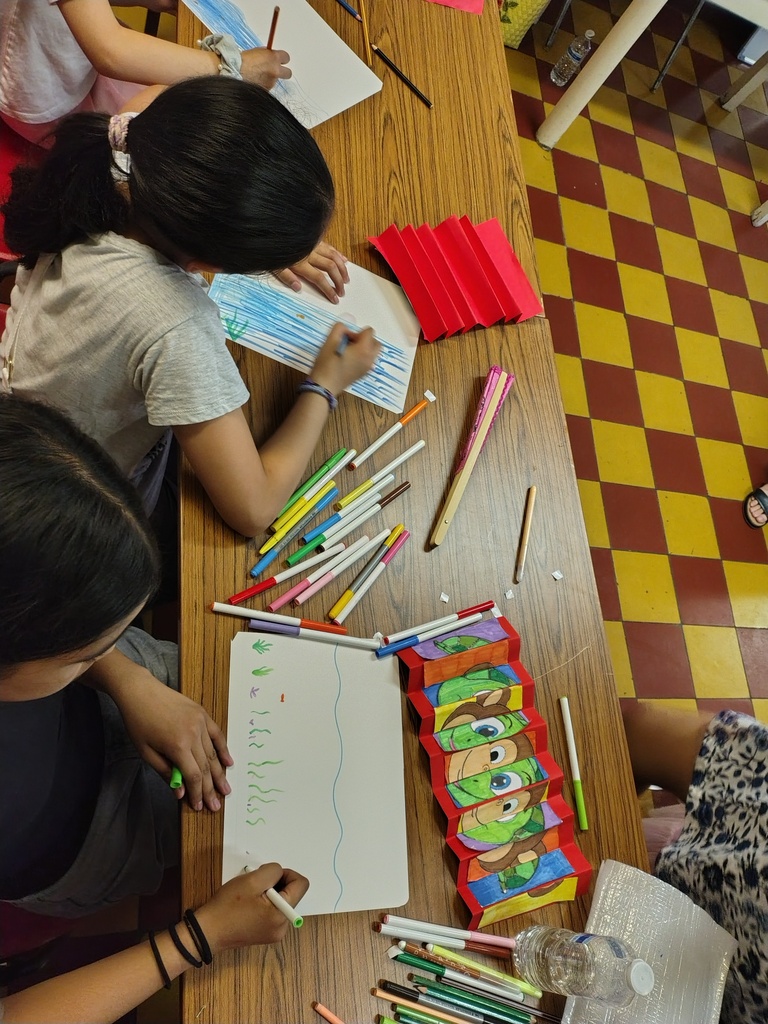
FEDE’s focus is on Filipinos, although they support other victims of trafficking. They work to provide psycho-social aid, immediate relief and emergency housing, and community building activities to create spaces of spiritual and emotional refuge. Of utmost importance is legal aid. Sario is a translator and paralegal, and Pascual said they have a network of pro bono lawyers to assist them.
There are also challenges to working with the Filipino diaspora due to the heightened political situation in the Philippines, Sario explained. “If Filipinos think you’re ‘too political,’ they’ll shy away. But because we’re a faith-based organization, we are often able to provide more help. Because Filipinos will always go to church.” FEDE is able to be a bridge between the church communities and the grassroots communities who are working for better economic conditions in the Philippines as well as human rights abroad. “Because – for us – it’s always forced migration. There are no job opportunities at home,” she added.
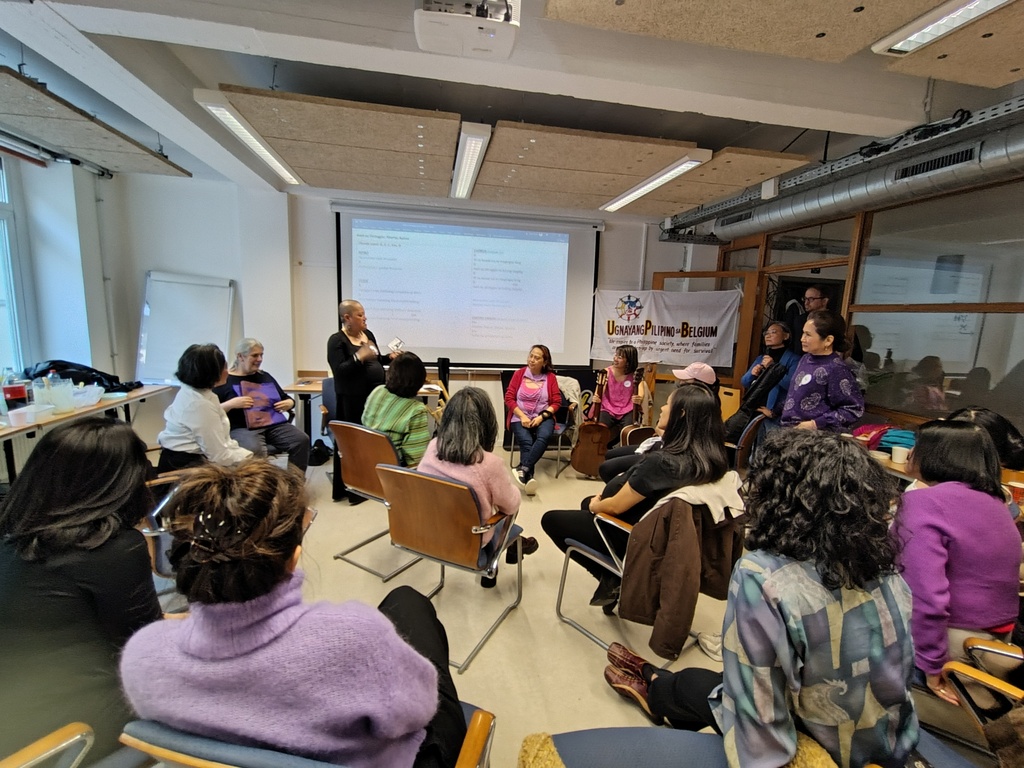
The first CRGP grant was devoted to material support for refugees and migrants in distress, including offering psychosocial and legal aid. The 2026 grant will continue what FEDE has started but will further expand the capacity of the volunteers to provide care and support and create a community care hub that provides rights and counselling assistance. “It is important for us to increase volunteers’ capabilities to support victims. Because they’ve been victims themselves, they can easily spot others,” Sario noted. “And because Filipino society is more hierarchical, it’s easier for former victims to help other victims rather than us going in to do the initial work.”
Safe Haven will also continue its original work of providing emergency housing for migrants in distress. “We now have 12-15 regular volunteer homes for migrants and refugees in need. In Filipino, we have a saying: ‘please come in’. We’re very hospitable and we wanted to leverage that part of our culture in doing this mission,” Pascual explained.
“It’s really inspiriting to have people around you that you’ve supported and now they’re so passionate about continuing that support. ‘We were hopeless before we met you and now we want to spread the hope.’ That’s the most fulfilling for us – not just helping them get out of that situation but being able to encourage them to help each other,” conclude Sario.
“We actually started earlier – in 2020 – at the height of the pandemic,” said Mark Pascual, project coordinator for FEDE’s Safe Haven in Utrecht, Netherlands. “Members of the IFI realized numerous Filipino migrants, many of them in the informal labor market, had lost their only sources of income. So five people in Utrecht gathered resources to buy groceries, hygiene kits, and we just continued the activities after the pandemic.”
Since 2022, both pastoral communities have been involved in high-profile trafficking and exploitation cases. Sario said theirs began in 2022 when authorities in Antwerp uncovered a human trafficking ring that had brought workers, many of them Filipino, from Eastern Europe (where they had been hired legally) into Belgium illegally; they were undocumented, underpaid, and poorly housed. Because this was such a high-profile case in Belgium, Sario said there was strong pressure on the authorities to do something. “Ironically, this was occurring at the same time Belgium was one of the strongest critics of labor abuses in Qatar during the 2022 World Cup.”
Pascual said their mission to serve migrants in distress began focusing on victims of trafficking last year, with encouragement from Giulia Bonoldi, Convocation’s chief welcoming officer. In 2025, there was a similar case in the Netherlands when multiple Filipinos were recruited from Hungary to work for a major corporation. When they arrived, they were working 17 hours a day, six days a week and living in cramped conditions; their passports were confiscated. “There is a trend across Europe to recruit Filipinos from Eastern Europe,” he added. “Because Hungary, Poland and the Czech Republic have direct, bilateral agreements with the Philippine government, it’s easier for Filipino workers to get a visa there. Once they have a Schengen visa and can travel, this is what employers exploit, particularly because wages are higher in Western Europe.”
When the workers in the Netherlands complained, they were fired and “that’s when they approached us,” Pascual explained. But, in the course of helping the survivors, he said they were threatened with defamation lawsuits by the company. “It was a scary moment for us because we were new. We realized that the people seeking help and speaking truth about their own experiences had a lot of courage, but it also meant these people deserved courageous people to help them. It was a realization of our calling.”
FEDE’s focus is on Filipinos, although they support other victims of trafficking. They work to provide psycho-social aid, immediate relief and emergency housing, and community building activities to create spaces of spiritual and emotional refuge. Of utmost importance is legal aid. Sario is a translator and paralegal, and Pascual said they have a network of pro bono lawyers to assist them.
There are also challenges to working with the Filipino diaspora due to the heightened political situation in the Philippines, Sario explained. “If Filipinos think you’re ‘too political,’ they’ll shy away. But because we’re a faith-based organization, we are often able to provide more help. Because Filipinos will always go to church.” FEDE is able to be a bridge between the church communities and the grassroots communities who are working for better economic conditions in the Philippines as well as human rights abroad. “Because – for us – it’s always forced migration. There are no job opportunities at home,” she added.
The first CRGP grant was devoted to material support for refugees and migrants in distress, including offering psychosocial and legal aid. The 2026 grant will continue what FEDE has started but will further expand the capacity of the volunteers to provide care and support and create a community care hub that provides rights and counselling assistance. “It is important for us to increase volunteers’ capabilities to support victims. Because they’ve been victims themselves, they can easily spot others,” Sario noted. “And because Filipino society is more hierarchical, it’s easier for former victims to help other victims rather than us going in to do the initial work.”
Safe Haven will also continue its original work of providing emergency housing for migrants in distress. “We now have 12-15 regular volunteer homes for migrants and refugees in need. In Filipino, we have a saying: ‘please come in’. We’re very hospitable and we wanted to leverage that part of our culture in doing this mission,” Pascual explained.
“It’s really inspiriting to have people around you that you’ve supported and now they’re so passionate about continuing that support. ‘We were hopeless before we met you and now we want to spread the hope.’ That’s the most fulfilling for us – not just helping them get out of that situation but being able to encourage them to help each other,” conclude Sario.
crgp_photo_2_community_building_event_june_27_2026_1024
june_28__1__1024
image