How can we live more simply, use the earth’s resources more mindfully, and avoid the traps of overconsumption and unnecessary waste?
“Living Simpler, Living Better” is a five-week Lenten discussion program exploring practical ways to care for creation in our everyday lives. The program is designed for weekly meetings during Lent, with one unit for each of the five weeks.
We will offer the program online at Christ the King in Frankfurt using PowerPoint slides, but it works equally well as an in-person program.
The aim is awareness and encouragement—not perfection. None of us can live sustainably in every area of our lives, and that is not the goal. Instead, the program invites participants to discover the joy and satisfaction that can come from making thoughtful, sustainable choices.
Each session can begin with a prayer, followed by discussion and practical ideas, some of which are listed below.

Make it your own
The topics—and the practical solutions available—will vary from country to country and from community to community. Local traditions, regulations, infrastructure, and resources all make a difference.
The suggestions above work particularly well in a city such as Frankfurt, Germany. In other places, there may be different challenges, opportunities, and solutions.
So adapt the programme to your local circumstances. Ask participants what interests them and feel free to add, remove, or replace topics. The most successful programme will be one that reflects the lives and concerns of the people taking part.
Most importantly: make it fun!
The purpose of these discussions is to inspire, not to impose.
None of us can do everything perfectly or live a completely sustainable life. We do not need to aim for 100 percent. If participants discover one or two ideas that they can take home and put into practice, that is already a success.
Living more simply can be more than a responsibility. It can also be a source of joy, creativity, community, gratitude, and a deeper appreciation for God’s creation.
Start small. Learn together. Encourage one another—and enjoy the journey.
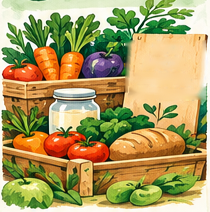
Food
Our food choices have an important impact on the environment, our communities, and our health.
- Shopping with the goal of reducing food and packaging waste
- Choosing regional, seasonal, and organic food
- Discovering local farmers’ markets
- Community-supported agriculture (CSA)
- Exploring vegetarian and vegan food as ways to reduce our carbon footprint and support healthy eating
- The benefits of reducing ultra-processed foods
- Sharing surplus food within the community
Home & Garden
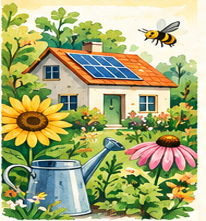
Our homes offer many opportunities to save energy and resources while creating healthier and more enjoyable living spaces.
- Heating efficiently and airing your home effectively
- Simple ways to reduce electricity consumption
- Solar energy—including possibilities for people who live in rented accommodation
- Reducing the use of harsh cleaning products and making simple alternatives from basic household ingredients
- Blessed by Less: Is minimalism something that could work for you?
- Creating a bee-friendly garden, balcony, or windowsill
- Discovering healing plants through a guided tour of a monastery garden or another local garden
Clothing
Our clothes can tell a story about the way we use the earth’s resources. This session explores how we can consume less while still enjoying fashion and personal style.
- Refuse – Reduce – Reuse – Repurpose
- How many items of clothing does the average person buy each year?
- Choosing more sustainable materials
- Discovering second-hand shops and platforms
- Organising a clothing-swap party
- Repairing, altering, and giving new life to clothes we already own

Transportation
How we get from one place to another has a significant impact on our carbon footprint. This session looks at practical alternatives to relying on private cars.
- Making the most of public transportation
- E-mobility and electric vehicles
- Car sharing
- Walking and cycling
- Finding realistic ways to combine different forms of transportation
Connecting with the Local Community
Creation care is not only about individual choices. Working together can make a much bigger difference—and can also be a lot more fun.
Participants can explore local opportunities such as:
- Community clean-up days, such as Clean FFM in Frankfurt, Germany
- Urban gardening projects
- Community gardens
- Transition Town initiatives
- Local neighbourhood networks
- Other environmental or community projects in the area