“We try to help people make the decision: ‘If we’re here, how can we flourish?’ Not just survive but flourish.”
That, said the Rev. John Wilson, is the goal of Ukrainian Space, a Convocation and Refugee Grant Program (CRGP) sponsored project at St. Margaret’s Anglican Church in Budapest, Hungary. “There was this Ukrainian woman who spent her first three months in Hungary just crying. She had two young boys, was a classically trained pianist, ballet dancer, and triathlete from the Ukraniain national team and she was just crying. Her husband didn’t know how to help her; eventually, he just got two or three seedling trees and planted them in the back garden where they were staying. Nothing changed externally but, somehow, that internal decision to make the best of the situation changed everything. She started teaching piano and training triathletes.”
Ukrainian Space is part of the church’s Hope for Ukraine nonprofit organization. It supports approximately 90 Ukrainian families in and around Budapest through supplementary education, summer programs, and workshops led by qualified Ukrainian educators. They also sponsor cultural events and a multilingual community library.
Equally important is practical guidance for families navigating legal and administrative matters, “the bureaucratic stuff,” Wilson said. “The Hungarian language is hard, and they don’t make it easy for people.”
The program itself has evolved from 2022, when there were “tens of thousands of Ukrainians” at the Budapest train station. The immediate need was housing and a congregant of St. Margret’s, who was in real estate, found several empty flats in his network. From there, Wilson said, they needed a space during the day for the children so the mothers and grandparents could find work and process their paperwork.
“Ukrainian Space started almost like a daycare and slowly evolved into a bit of an educational center. Everyone was worried that the students would fall behind their schools in Ukraine, so we started doing supplementary education. By law, they were supposed to go to Hungarian schools, but the children understood nothing. People would help them translate their homework, but the real focus was on Ukrainian subjects and how to prevent students from falling behind,” Wilson explained. The educational program was also a way to offer part-time employment to some of the refugees who were teachers. “A lot of them are highly educated, some with advanced degrees, and they were cleaning buildings.”
Summer camps for the youth are something Wilson said he’s quite proud of. “It gives the young people something fun to do, connect with peers and learn but in a fun way. One camp teaches them to code using SCRATCH. Another is doing tours, going to museums.”
Encouraging and maintaining Ukrainian culture is a goal that has evolved, as well. “The first three years of the war, everyone was going to go back. At the start of year four, though, something changed. No one wants to go back now. How do we help them engage with the Hungarian culture but also foster their cultural identity as Ukrainians?” he asked. Ukrainian Space has also become a kind of cultural center where participants paint eggs and bake traditional Paska bread. At the same time, volunteers take the children to museums so they can learn more about Hungary.
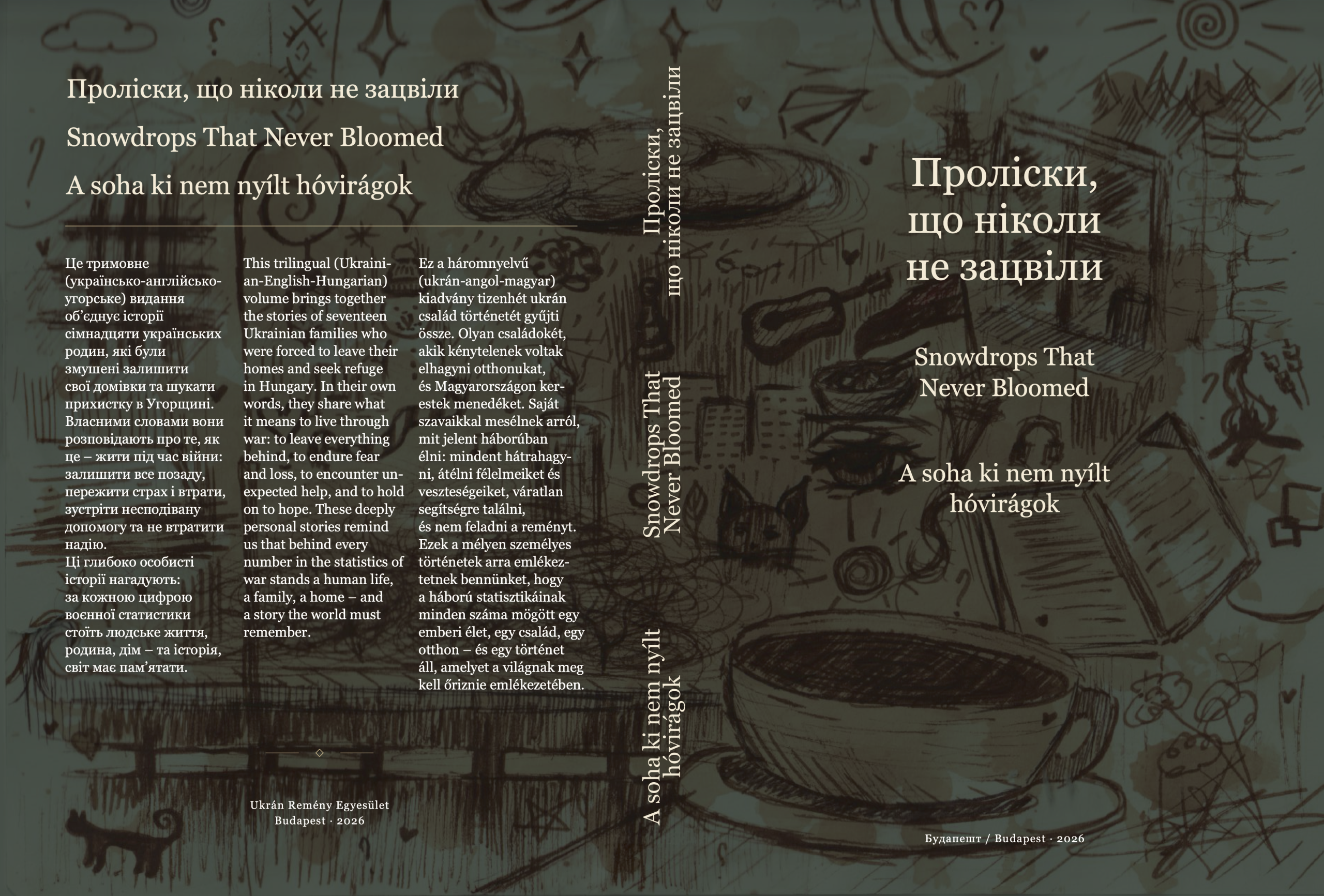
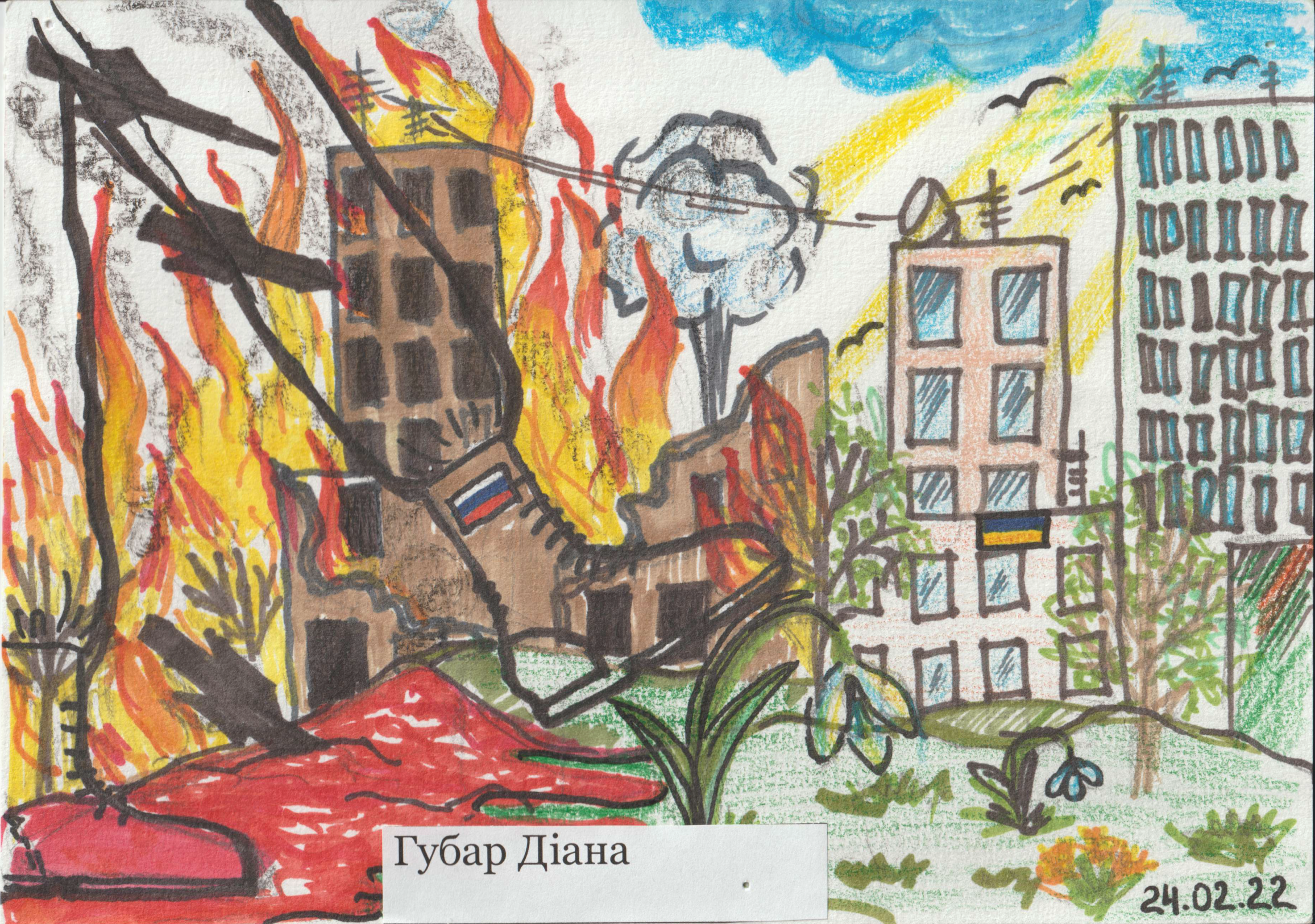
Multilingual books are yet another development of St. Margret’s work with refugees. Hope for Ukraine recently published a trilingual book — Snowdrops that Never Bloomed. It’s a series of interviews with refugees and their families. “The book is fantastic work that shows how important it is for refugees to share stories. It’s a way to process trauma, of putting things into words on a more conscious level,” Wilson said. The title was inspired by a young girl’s painting of Russian boots and missiles crushing the budding flowers she had eagerly been awaiting just the day before the war began in their area.
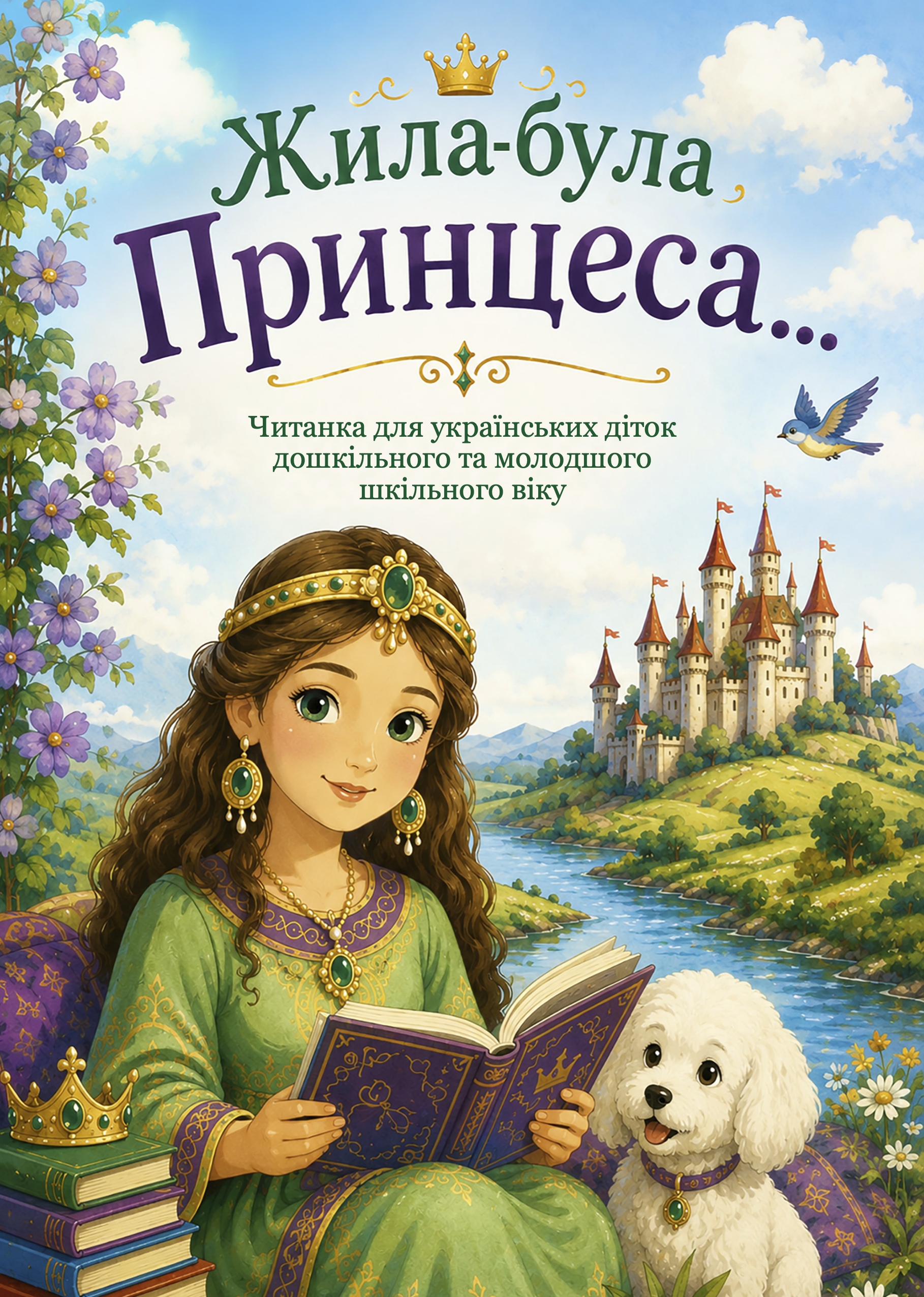
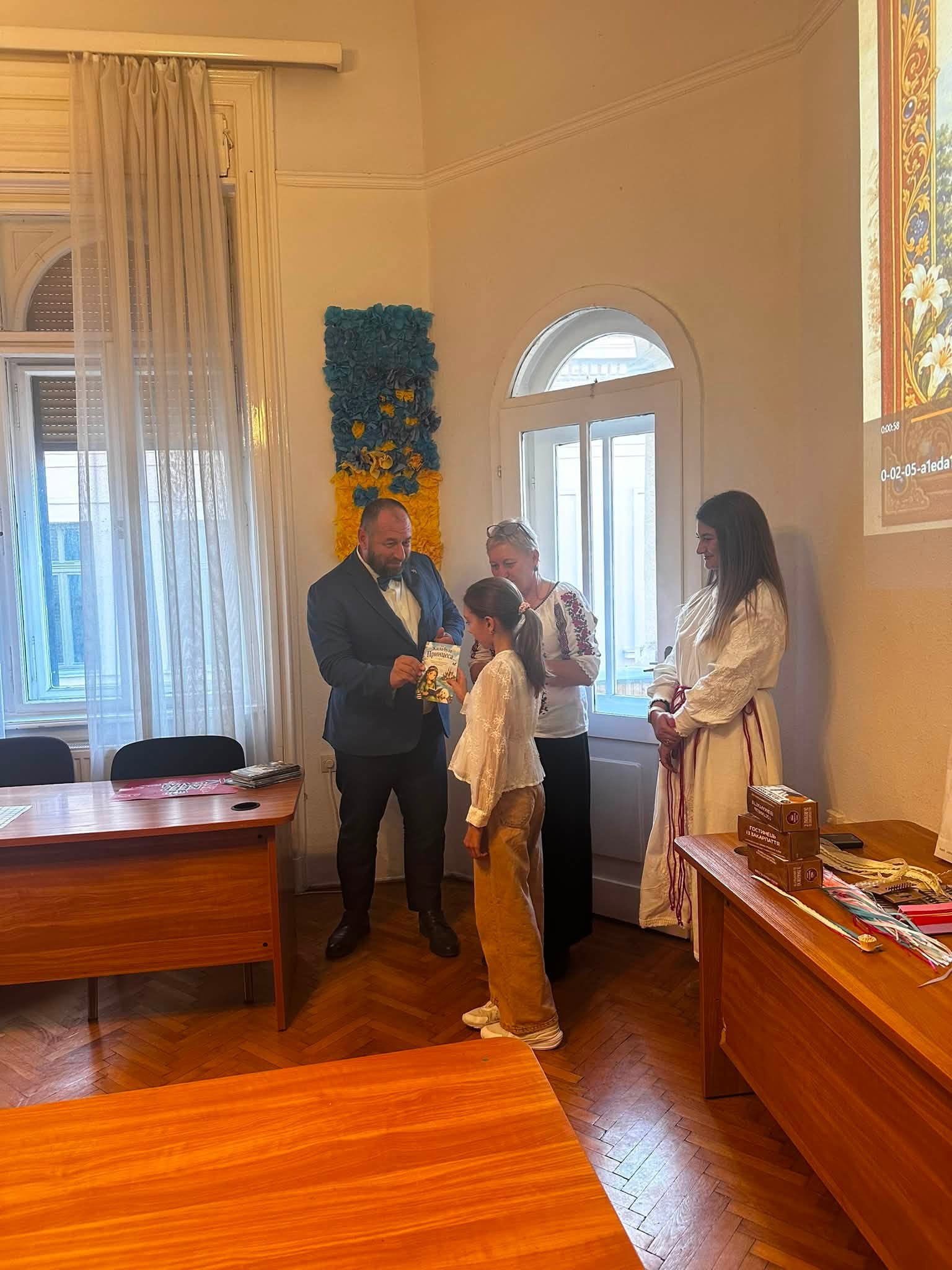
Children attending the Ukrainian Space have also drawn illustrations for a textbook designed for Ukrainian preschool and primary school children living in Hungary entitled Once Upon a Princess. It is the story of three princesses – descendants of the medieval princes of Kyivan Rus (now modern-day Ukraine) who married Hungarian princes. Hanna Pukish and Roksolana Yatsura, teachers who created the project, were “looking for points of commonality for the children, of making it less foreign to live here in Hungary,” Wilson said.
A third book – in Hungarian and Ukrainian – about trees and flowers common to both countries “is actually what got this whole publishing ball rolling,” he added. “In fact, the Ukrainian Embassy has commissioned two more books.”